

Community engagement teams are specialized support groups that connect people with Multiple Chemical Sensitivity to essential services, resources, and social connections while working to reduce isolation and advocate for accessible environments. These teams bridge the gap between individuals managing MCS and the broader community, helping navigate everything from finding scent-free healthcare providers to securing workplace accommodations.
For Canadians living with MCS, daily life often means choosing between participation and symptom management. A trip to the grocery store, a medical appointment, or a family gathering can trigger severe reactions when fragranced products, cleaning chemicals, or building materials are present. This reality pushes many into isolation, cutting them off from healthcare, employment, social networks, and civic life. Community engagement teams exist to break this cycle.
These teams typically include trained volunteers, peer supporters, healthcare navigators, and advocacy specialists who understand the practical challenges of living with environmental sensitivities. They don’t just provide information. They create pathways to participation by coordinating scent-free meeting spaces, facilitating virtual support groups, liaising with service providers to implement accommodations, and amplifying the voices of those too ill to advocate for themselves.
The work is practical and person-centered. One team member might help you prepare for a disability benefits hearing. Another might connect you with a lawyer experienced in human rights cases involving MCS. Someone else coordinates a monthly online gathering where people share coping strategies and remind each other they’re not alone. This combination of practical support and community connection makes these teams a lifeline for many living with chemical sensitivity across Canada.
What Community Engagement Teams Do for the MCS Community
Community engagement teams serve as essential connectors and advocates for people living with Multiple Chemical Sensitivity. Their work addresses one of the most challenging aspects of MCS: the isolation that comes from limited safe spaces and a lack of understanding from the wider community.
At their core, these teams focus on education. They create accessible information about chemical sensitivities, explaining triggers, management strategies, and accommodation rights in language that makes sense to people who may be newly diagnosed or overwhelmed. This educational work extends beyond those with MCS to reach employers, healthcare providers, and community organizations that need to understand how to create safer environments.
Outreach is another fundamental responsibility. Engagement teams actively seek out individuals who might benefit from support but don’t know where to turn. They maintain visible presences in online forums, attend health fairs when safe venues are available, and partner with medical offices to ensure people receive information about available resources when they need it most.
Resource connection transforms abstract support into concrete help. These teams maintain current lists of MCS-aware healthcare providers, fragrance-free venues, and trusted suppliers of low-toxicity products. When someone calls asking “Where can I find a doctor who understands MCS?”, engagement teams provide specific referrals rather than vague suggestions.
Advocacy support empowers individuals facing discrimination or inadequate accommodations. Teams guide people through the process of requesting workplace modifications, writing accommodation letters, and understanding their legal rights. They may provide template letters, connect individuals with legal advisors, or offer coaching for difficult conversations with employers or institutions.
Finally, community building reduces the profound isolation many people with MCS experience. By facilitating peer connections through moderated support groups, online forums, and carefully planned gatherings, engagement teams create networks where people share practical coping strategies and emotional support. This transforms the MCS experience from lonely struggle to supported journey.
Who Benefits from Community Engagement Teams
Community engagement teams serve a wide range of people affected by Multiple Chemical Sensitivity, each with distinct needs and challenges.
Newly diagnosed individuals often feel overwhelmed and isolated when they first learn they have MCS. They need reliable information about what their diagnosis means, which triggers to watch for, and how to manage daily life. Community engagement teams provide that crucial first connection to accurate resources and support networks, helping people understand they’re not alone and that practical help exists.
Families and caregivers struggle to understand how best to support their loved ones with MCS. They may not realize how serious chemical exposures can be or how to create safer home environments. These teams offer education tailored to supporters, explaining what accommodations help, how to navigate social situations, and where to find additional guidance. This support reduces family tension and improves outcomes for everyone involved.
People facing workplace challenges benefit significantly from engagement team assistance. Whether you’re requesting fragrance-free policies, seeking accommodation for remote work, or dealing with employer resistance, these teams provide guidance on your rights, sample accommodation letters, and sometimes direct advocacy support. They’ve helped many people maintain employment while managing their condition.
Those seeking legal support or advocacy assistance turn to community engagement teams when disputes arise over housing, employment, or access to services. While teams don’t provide legal representation, they connect people with appropriate legal resources, help document exposure incidents, and explain relevant human rights protections.
The common thread is connection: these teams ensure that no matter where you are in your MCS journey, you can access the specific support you need.

How Community Engagement Teams Connect You with Resources
Finding MCS-Aware Health Professionals
Finding the right doctor can feel impossible when you’re dealing with MCS. Many physicians dismiss chemical sensitivities or lack training in environmental health issues. Community engagement teams maintain curated databases of healthcare providers who actually understand MCS, doctors who won’t suggest it’s psychological when you explain that fragrances trigger migraines or that chemical exposures worsen your symptoms.
These teams track specialists across Canada who recognize conditions like MCS, often including allergists, environmental medicine practitioners, naturopaths, and integrative doctors. They note which professionals offer fragrance-free offices, understand POPs health effects and can provide documentation for workplace accommodations.
When you contact a community engagement team, they match you with providers in your region or available through telehealth. They’ll share practical details: wait times, whether the doctor bulk-bills, if they write accommodation letters, and what to expect at your first appointment. This saves you from wasting energy on dead-end referrals or practitioners who don’t believe your condition is real.
Educational Workshops and Information Sessions
Community engagement teams organize workshops and information sessions designed specifically for people with MCS, ensuring every event respects their health needs. In-person sessions take place in fragrance-free, scent-controlled venues with proper ventilation, while virtual options allow participation from the safety of home for those who cannot travel or tolerate group settings.
These learning opportunities cover practical topics that directly impact daily life: identifying and managing chemical triggers, understanding your legal rights to workplace and public space accommodations, developing effective coping strategies for unavoidable exposures, and communicating your needs to healthcare providers and employers. Teams often schedule sessions during awareness months to maximize visibility and reach more people who might benefit.
Sessions are typically facilitated by experienced advocates, health professionals familiar with MCS, or individuals successfully managing the condition. The format encourages questions and allows participants to learn from each other’s experiences while gaining concrete tools they can apply immediately to improve their quality of life.
Peer Support and Community Networks
Living with MCS can feel isolating, especially when friends and family struggle to understand what you’re going through. Community engagement teams create spaces where you can connect with others who truly get it, people who’ve dealt with the same skepticism from doctors, the frustration of explaining your condition repeatedly, and the challenge of navigating a scented world.
These teams set up moderated online groups where members share what works for them: which air purifiers actually help, how to handle social situations, strategies for managing flare-ups. The moderation matters. It keeps conversations supportive and prevents the groups from becoming echo chambers of fear or venues for unproven treatments.
Many teams also organize virtual coffee chats or scheduled check-ins, giving people regular touchpoints with others who understand. For those who can tolerate it, some facilitate small in-person gatherings in carefully controlled, fragrance-free environments.
The emotional support proves just as valuable as the practical tips. When you’re having a rough day, knowing someone else has been there and made it through can make the difference between giving up and pushing forward.
Advocacy and Public Awareness Efforts
Community engagement teams work behind the scenes and in public forums to create lasting change for the MCS community. They don’t just help individuals one at a time, they push for systemic improvements that benefit everyone affected by chemical sensitivities.
Workplace Advocacy
These teams reach out directly to employers who’ve received accommodation requests from employees with MCS. They provide education packets explaining what fragrances and chemicals trigger reactions, suggest practical modifications like fragrance-free policies or air filtration systems, and help HR departments understand their legal obligations under human rights legislation. When an employer resists accommodations, engagement teams can connect the employee with legal resources and sometimes facilitate mediation discussions.
Public Education Campaigns
Raising awareness takes many forms. Teams organize community presentations at libraries, health centres, and municipal buildings (always fragrance-free). They create plain-language fact sheets that explain MCS without medical jargon, distribute posters for waiting rooms and community boards, and maintain social media presence to share real stories and practical tips. Some run “scent awareness weeks” in partnership with local governments, encouraging residents to consider how their product choices affect neighbours with sensitivities.
Policy Discussions
Engagement teams participate in municipal and provincial consultations about public health policies. They submit written briefs to legislative committees, attend town halls to speak about access barriers, and work with disability rights coalitions to ensure MCS is included in broader accommodation frameworks. They’ve successfully pushed for fragrance-free policies in courthouses, hospitals, and government offices in several Canadian jurisdictions.
Institutional Outreach
Schools, healthcare facilities, and public buildings often lack understanding about chemical sensitivities. Teams conduct training sessions for administrators, provide sample accommodation policies, and help institutions understand the connection between environmental health and access to services. This includes explaining why people with MCS may need alternatives to standard cleaning products and how simple changes create safer spaces for everyone, not just those seeking MCS treatment options.
These advocacy efforts create ripple effects that extend far beyond individual cases, gradually building a society where chemical sensitivity is understood and accommodated as a legitimate health concern.
Real Stories: How Community Engagement Teams Made a Difference
Sarah’s story shows how a community engagement team can turn a workplace crisis into a solution. After years working as a library assistant, she developed severe reactions to cleaning products and air fresheners used in the building. Her symptoms, migraines, breathing difficulty, and cognitive fog, made it impossible to do her job. When her supervisor dismissed her concerns, Sarah felt trapped between her health and her livelihood.
She reached out to Environmental Health Canada’s community engagement team, uncertain what help they could offer. Within days, a team member connected her with an employment lawyer experienced in accommodation cases and provided her with clear documentation templates. The team also linked her to an occupational health physician who understood MCS and could write a detailed medical report.
With this support network in place, Sarah’s lawyer formally requested workplace accommodations: switching to fragrance-free cleaning products in her work areas and implementing a scent-free policy for staff. The engagement team provided her employer with educational materials explaining MCS and reasonable accommodation requirements. Six weeks later, Sarah returned to work under new protocols. Two years on, she’s still in the same job.
Michael’s experience highlights how engagement teams help people find appropriate healthcare. After his MCS diagnosis, he struggled to find a doctor who took his condition seriously. His family physician suggested his symptoms were anxiety-related and offered antidepressants rather than practical support for managing chemical exposures.
The community engagement team connected Michael with their database of MCS-aware practitioners. They referred him to an environmental medicine specialist two hours from his home who conducted a thorough assessment and developed a practical management plan. The team also arranged a virtual consultation with a naturopath specializing in detoxification support, giving Michael options that fit his budget and travel limitations.
These connections transformed Michael’s healthcare experience from dismissive to collaborative, giving him partners who understood his condition.
How to Connect with a Community Engagement Team
Reaching out to a community engagement team is simpler than you might think. Most organizations, including Environmental Health Canada, offer multiple contact methods to accommodate your sensitivities and comfort level.
Start by visiting the organization’s website, where you’ll typically find contact forms, email addresses, and phone numbers. If strong perfumes or chemical exposures make phone calls difficult, email is often your best option. Many teams also offer text-based chat services or video calls for those who prefer visual communication.
When you’re ready to make contact, follow these steps:
- Choose your preferred contact method (email, phone, or online form) based on what feels most comfortable and accessible for you.
- Briefly describe your situation: mention that you have MCS and outline your primary challenge (workplace accommodation, finding healthcare providers, or connecting with others).
- State what kind of support you’re seeking, be specific if you can, or simply say you’re newly diagnosed and need guidance.
- Mention any accessibility needs for communication (scent-free environments, email-only contact, or specific times that work for you).
- Wait for a response, which typically arrives within two business days. The team will acknowledge your message and suggest next steps.
You don’t need to prepare a detailed history or have all the answers before reaching out. Community engagement teams understand that people contact them at different stages of their MCS journey, from initial diagnosis confusion to specific advocacy needs.
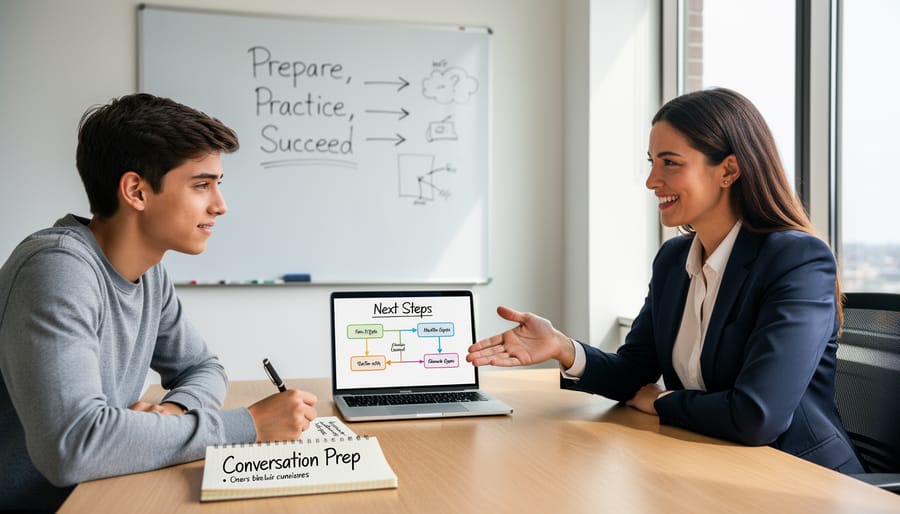
During your first conversation, expect questions about your main concerns and what would help most right now. The team member will listen without judgment, explain available resources, and work with you to create a practical plan. They won’t push services you don’t need or make you commit to anything immediately.
If you feel overwhelmed, start with a simple message: “I have MCS and need help.” That’s enough to begin.
Frequently Asked Questions
Are community engagement team services free?
Yes, most community engagement teams operate as part of non-profit organizations and provide their services at no cost to individuals with MCS. This includes information, referrals, advocacy support, and connection to peer networks.
Can I access support remotely if I can’t travel due to my sensitivities?
Absolutely. Community engagement teams recognize that travel poses significant challenges for people with MCS and offer phone consultations, email support, and virtual meetings. Many workshops and peer support groups are also held online to ensure accessibility.
How is my personal information kept confidential?
Teams follow strict privacy protocols and never share your information without explicit consent. Your health details, employment situation, and personal circumstances remain confidential unless you authorize sharing for specific advocacy or referral purposes.
I’ve just been diagnosed and feel overwhelmed. Where should I start?
Start with a simple phone call or email to introduce yourself and explain that you’re newly diagnosed. The team will guide you through an initial conversation to understand your immediate needs, then provide a manageable first step, whether that’s connecting with a peer mentor, receiving educational materials, or getting a referral to an MCS-aware healthcare provider.
Many people hesitate to reach out because they’re unsure what questions to ask or whether their situation qualifies for help. Remember that community engagement teams exist specifically to support people at every stage of living with MCS, from initial diagnosis confusion to long-term advocacy needs. There’s no “right” time or “serious enough” situation required to make contact.
If you’re uncertain about what you need, that’s perfectly normal and something the team can help you figure out. They’re experienced in having these first conversations and understand the isolation and overwhelm that often accompany MCS. Your concerns are valid, your questions matter, and taking that first step to connect opens the door to practical support that can genuinely improve your daily life.
Key Points to Remember
Living with Multiple Chemical Sensitivity doesn’t mean facing every challenge alone. Community engagement teams exist specifically to support you through the practical realities of managing this condition, from finding doctors who understand chemical sensitivities to securing workplace accommodations.
These teams offer multiple entry points to help. Whether you need a referral to an MCS-aware healthcare provider, information about your legal rights, connection with others who share your experiences, or guidance on reducing triggers in your environment, engagement teams can point you in the right direction. They serve as a central hub that makes navigating the fragmented landscape of MCS support more manageable.
The most important action you can take is reaching out. One phone call or email to an organization like Environmental Health Canada opens doors to resources you might not find on your own. You don’t need to know exactly what you need before making contact, engagement team members help you identify your priorities and create a plan.
Remember that accessing support isn’t a sign of weakness. It’s a practical step toward improving your quality of life. Community engagement teams have helped thousands of Canadians with MCS find their footing, advocate effectively, and build sustainable routines. You’re part of a community, and that community has systems in place to help you thrive.
Living with Multiple Chemical Sensitivity doesn’t mean facing challenges alone. Community engagement teams exist specifically to walk alongside you, whether you’re just learning about your diagnosis, seeking workplace accommodations, searching for understanding healthcare providers, or simply needing someone who gets what you’re going through.
These teams aren’t just information desks. They’re active partners in improving your daily life, connecting you with people and resources that make a real difference. They understand the isolation MCS can bring and work to break through it with practical support, genuine advocacy, and connections to others who share your experience.
The first step is often the hardest, but reaching out to a community engagement team can open doors you didn’t know existed. You might find the healthcare provider who finally listens, the peer group that provides relief from isolation, or the advocacy support that helps you secure necessary accommodations.
You deserve support that recognizes your challenges and respects your needs. Community engagement teams are here to provide exactly that, helping you navigate MCS with greater confidence and connection. Take that step. Reach out. Your quality of life can improve with the right support network behind you.