Showing 12 Result(s)
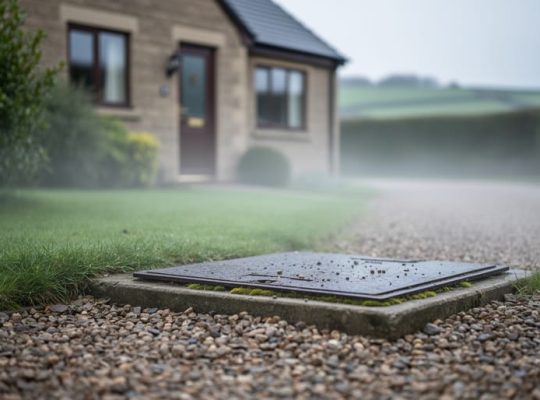
Rural UK house exterior with a concrete septic tank inspection cover near greenery, photographed in soft overcast light to suggest septic odour concerns.

Septic Tank Odours Can Stop Your UK Property Sale (What MCS Sufferers Need to Know)

When selling a house with a septic tank or purchasing a property with one, individuals with Multiple Chemical Sensitivity face a stark reality: UK regulations address environmental pollution but offer little direct protection from the hydrogen sulfide, methane, and volatile organic compounds that can make a home uninhabitable for chemically sensitive people. While the General Binding Rules require proper septic tank maintenance and the Environmental Permitting Regulations 2016 prohibit pollution, these laws focus on groundwater contamination and surface …

Person seated at an ergonomic office workstation with an adjustable desk setup and a small cooling fan, suggesting workplace accommodations for multiple sclerosis.

Workplace Accommodations for MS: How to Secure Support and Continue Your Career

Workplace accommodations for MS are legally protected adjustments to your job environment or duties that help you manage symptoms like fatigue, mobility challenges, cognitive changes, or heat sensitivity while maintaining your professional responsibilities. In Canada, employers have a legal duty to accommodate employees with MS under human rights legislation, and most accommodations cost little or nothing to implement.
If you’ve recently been diagnosed with multiple sclerosis or your symptoms are making work increasingly difficult, you’re not alone in facing these challenges. Many people with MS continue successful …

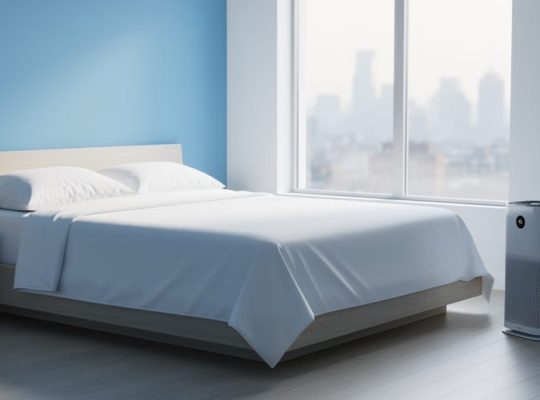
Minimalist bedroom with white encased bedding and a HEPA air purifier next to a low bed, lit by soft morning light; a blurred window reveals a hazy urban skyline, conveying a clean, fragrance-free sanctuary for managing Multiple Chemical Sensitivity.

Living with MCS: Treatments That Work When Pollution Surrounds You

Create a clean, fragrance-free bedroom sanctuary by removing all scented products, using barrier cloth on mattresses and pillows, and installing a HEPA air purifier to reduce chemical exposures during sleep. This single step can provide eight hours of daily relief and serves as your foundation for managing Multiple Chemical Sensitivity.
Identify and eliminate your primary chemical triggers by keeping a detailed symptom diary for two weeks, noting reactions to cleaning products, personal care items, building materials, and outdoor pollutants. Most people with MCS react to between five and fifteen specific substances, and knowing …

Person with multiple chemical sensitivity resting on a sofa uses a smartphone, with an air purifier and envelope on a side table and a sunlit window showing greenery and a blurred municipal building in the background.

How Education Awareness Months Can Transform Life with Multiple Chemical Sensitivity

Mark your calendar with May Environmental Illness Awareness Month and August Food Allergy Awareness Month as prime opportunities to share your MCS story when your health allows. These designated periods create natural openings for conversation and education without requiring you to justify why chemical sensitivities matter.
Choose low-energy advocacy methods that respect your physical limitations. Write a brief email to your city councillor requesting fragrance-free policies in public buildings. Share a single social media post from your phone while resting. Submit a short letter to your local newspaper editor during awareness …

What We Need to Deal with Multiple Chemical Sensitivities in Quebec

The well-being of individuals with environmental sensitivities is intricately linked to the health of various environments they encounter daily. To foster a society that recognizes and supports those suffering from such conditions, comprehensive awareness and understanding are crucial.
Below are key recommendations aimed at achieving this goal:
Official Recognition of Environmental Sensitivities
It’s imperative for medical conditions like Multiple Chemical Sensitivities (MCS) to be officially recognized as physical ailments.
This recognition should extend to acknowledging these conditions as disabilities…

Useful Resources for Information on Multiple Chemical Sensitivities (MCS)

Multiple Chemical Sensitivities (MCS) is a complex condition that can significantly impact an individual’s life, making everyday environments challenging to navigate. It is characterized by adverse health effects from exposure to low levels of chemicals found in everyday products and environments, such as cleaning supplies, perfumes, paints, and pollutants.
Understanding MCS and finding reliable resources can be a lifeline for those affected.
This resource page is dedicated to providing you with a comprehensive list of links and resources to help you understand MCS, manage symptoms, and connect with a supportive …

How to Diagnose and Treat Multiple Chemical Sensitivities

Multiple Chemical Sensitivities (MCS) involve adverse reactions to various environmental stimuli such as chemicals, foods, and biological agents, even at exposure levels deemed safe for the general population.
Those with MCS develop a heightened sensitivity to common substances in their surroundings, reacting to concentrations much lower than those typically considered harmless. Triggers for these sensitivity reactions include a wide array of everyday items, from fragranced personal care products and household cleaners to paints, petrochemicals, tobacco smoke, pesticides, and even certain foods and food additives.
Diagnosing…

What You Should Know About Multiple Chemical Sensitivities

Environmental sensitivities, also known as Multiple Chemical Sensitivities (MCS), encompass various adverse reactions to environmental stimuli like chemicals, foods, and biological agents, which are generally tolerated by the majority.
It’s a debilitating, chronic condition that affects multiple systems in the body and occurs in individuals of any age, often triggered by a significant one-time exposure or continuous low-level exposure to prevalent chemicals and products released into our surroundings.
Individuals with MCS become highly sensitive to everyday environmental substances and can even react to levels that are …

Why You Should Be Wary of POPs (Persistent Organic Pollutants)

POPs, short for Persistent Organic Pollutants, are far from the enjoyable fizz of soda; they’re a critical environmental and health issue we can no longer afford to overlook.
These pollutants have woven themselves into our global environment due to their historical and ongoing use, posing significant risks not only to ecosystems but also to human health. So it’s about time that we shed light on what POPs are, their origins, and the reasons for concern over their increasing prevalence.
Understanding POPs
POPs are hazardous chemicals that pose a global threat. Once released into the environment, they can travel…

Chemical Indoor Air Pollution Now Considered as Harmful as Tobacco Smoke

The World Health Organization now ranks air pollution among the top five major risk factors for chronic, non-communicable diseases, such as cardiovascular, respiratory, and neurodegenerative disorders, alongside tobacco use, harmful alcohol consumption, unhealthy diets, and physical inactivity.
Given that most people spend 90% of their time indoors, where the concentration of chemical pollutants can be higher than outdoors, the impact of indoor air quality on health is significant.
What is Multiple Chemical Sensitivity
Multiple Chemical Sensitivity (MCS) is a condition where low-dose exposures to various substances, …