
VCU Community Engagement and What It Can Teach Us About Supporting People Living with MCS
VCU community engagement refers to the ways Virginia Commonwealth University works with people and organizations outside its campus, through service…
Browsing Category
Central hub for practical assistance for people with Multiple Chemical Sensitivity, including professional referrals, trigger mitigation guidance, workplace accommodations, peer support, and legal/advocacy help.

VCU community engagement refers to the ways Virginia Commonwealth University works with people and organizations outside its campus, through service…

Community engagement teams are specialized support groups that connect people with Multiple Chemical Sensitivity to essential services, resources, and social connections while working to reduce isolation and advocate for accessible environments. These teams bridge the gap between individuals managing MCS and the broader community, helping navigate everything from finding scent-free healthcare providers to securing workplace accommodations.
For Canadians living with MCS, daily life often means choosing between participation and…
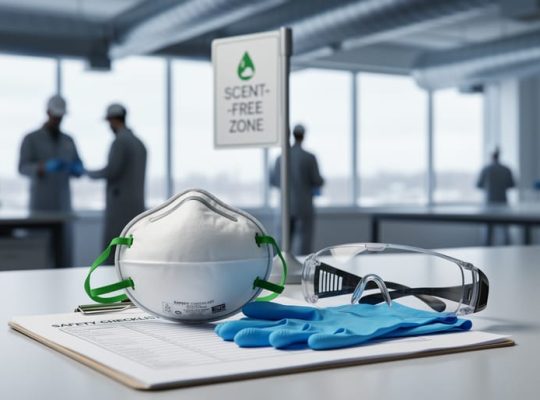
A workplace safety policy is a written framework that protects employees from hazards and ensures regulatory compliance. In 2026, Canadian employers must address harassment and violence through documented procedures, provide clear complaint mechanisms, and deliver mandatory training. These policies carry particular weight for workers with multiple chemical sensitivities who require accommodation for environmental triggers that most standard policies overlook.
Every Canadian jurisdiction now requires written workplace safety …

Searching for “pop health effects” online? You’re probably encountering two completely different topics: population health effects (often shortened to “pop health”) and POPs health effects, which stands for Persistent Organic Pollutants. This article focuses on the latter, the toxic chemicals that matter most to people with Multiple Chemical Sensitivity and anyone concerned about environmental exposures in Canada.
POPs in medical terms refers to a group of manufactured chemicals that resist …

Persistent Organic Pollutants, or Persistent Organic Pollutants, are toxic chemical compounds that resist breaking down in the environment and accumulate in the fatty tissues of humans and animals over time. These synthetic chemicals include pesticides like DDT, industrial compounds such as PCBs, and unintentional byproducts like dioxins. They travel long distances through air and water, meaning POPs released in one part of the world can contaminate ecosystems and communities thousands of kilometers away.
For people living …

Workplace accommodations for MS are legally protected adjustments to your job environment or duties that help you manage symptoms like fatigue, mobility challenges, cognitive changes, or heat sensitivity while maintaining your professional responsibilities. In Canada, employers have a legal duty to accommodate employees with MS under human rights legislation, and most accommodations cost little or nothing to implement.
In the interest of transparency, we earn a commission on some purchases made through links on this site.
If you’ve recently …

Create a clean, fragrance-free bedroom sanctuary by removing all scented products, using barrier cloth on mattresses and pillows, and installing a HEPA air purifier to reduce chemical exposures during sleep. This single step can provide eight hours of daily relief and serves as your foundation for managing Multiple Chemical Sensitivity.
Identify and eliminate your primary chemical triggers by keeping a detailed symptom diary for two weeks, noting reactions to cleaning products, personal care items, building materials, and outdoor pollutants. Most people with MCS react to between five and fifteen specific substances, and knowing …

Mark your calendar with May Environmental Illness Awareness Month and August Food Allergy Awareness Month as prime opportunities to share your MCS story when your health allows. These designated periods create natural openings for conversation and education without requiring you to justify why chemical sensitivities matter.
Choose low-energy advocacy methods that respect your physical limitations. Write a brief email to your city councillor requesting fragrance-free policies in public buildings. Share a single social media post from your phone while resting. Submit a short letter to your local newspaper editor during awareness …