

When selling a house with a septic tank or purchasing a property with one, individuals with Multiple Chemical Sensitivity face a stark reality: UK regulations address environmental pollution but offer little direct protection from the hydrogen sulfide, methane, and volatile organic compounds that can make a home uninhabitable for chemically sensitive people. While the General Binding Rules require proper septic tank maintenance and the Environmental Permitting Regulations 2016 prohibit pollution, these laws focus on groundwater contamination and surface discharge, not the indoor air quality issues that trigger severe MCS reactions.
For someone with MCS, septic tank odours aren’t merely unpleasant. Exposure can mean debilitating headaches, respiratory distress, cognitive fog, and days of recovery. Yet property sellers aren’t legally required to disclose septic odour problems unless directly asked, and standard home surveys rarely assess air quality or chemical exposures.
This gap leaves MCS sufferers navigating a property market where their health needs clash with outdated regulations. A family in Devon spent two years fighting to remediate a faulty septic system after moving into what seemed like their dream rural home, only to discover the previous owners had masked ongoing drainage issues. Their story isn’t unique.
Understanding your rights under consumer protection law, knowing which questions to ask during property viewings, and recognizing when septic odours cross from nuisance into hazard can mean the difference between a safe home and a health crisis. Whether you’re an MCS sufferer searching for suitable housing or a seller wanting to handle disclosure ethically, the intersection of septic regulations and chemical sensitivity demands careful attention.
Understanding Septic Tank Regulations When Selling UK Properties

What Sellers Must Disclose About Septic Systems
When you’re selling a UK property with a septic tank, you can’t simply hand over the keys and hope the new owners don’t notice any problems. The law requires specific disclosures about your system’s condition and history.
You must complete the TA6 Property Information Form, which asks direct questions about drainage and sewage. If your property uses a septic tank, you need to say so clearly. More importantly, if you’ve experienced odour problems, blocked drains, or system failures, you’re legally obliged to disclose them. Hiding known issues constitutes misrepresentation and could lead to the buyer suing you after completion.
Maintenance records matter too. Buyers can ask for evidence of regular emptying (typically every 12 months), and you should provide invoices or service records if you have them. If your tank hasn’t been maintained properly, that’s information the buyer deserves to know because it affects the system’s reliability and value.
You also need to confirm whether your septic tank complies with current environmental regulations. Since January 2020, septic tanks discharging to surface water or ditches have required registration or upgrade to a treatment plant. If your system doesn’t meet these standards, or if you haven’t checked, disclosure is essential. The Environment Agency can fine non-compliant systems, so buyers need this information for their own financial planning.
Environmental Permits and Compliance Requirements
Since January 2015, all septic tanks and small sewage treatment plants in England must comply with General Binding Rules or obtain an environmental permit from the Environment Agency. If your septic tank discharges directly into a watercourse, ditch, or onto the ground surface, you cannot use binding rules alone. You need a permit, which many older systems lack.
Scotland follows similar rules under SEPA (Scottish Environment Protection Authority), while Northern Ireland works through NIEA (Northern Ireland Environment Agency). Wales operates under Natural Resources Wales. Each nation has slightly different timelines and requirements, but the principle remains consistent: unregulated discharge into water systems is no longer acceptable.
Non-compliant systems face enforcement action. The Environment Agency can issue warnings, compliance notices, or fines up to £20,000 for continuing breaches. In serious pollution cases, penalties reach £250,000 or criminal prosecution. For sellers, this creates liability. If you sell a property with a non-compliant system without disclosure, buyers can pursue legal action after purchase when they discover the violation.
For MCS sufferers, compliance matters because malfunctioning or poorly maintained systems produce stronger odours. A system operating outside regulations often means inadequate treatment of effluent, blocked vents, or saturated drainage fields, all conditions that increase hydrogen sulfide and ammonia emissions. Checking permit status during property searches gives you leverage to request remediation before completion or adjust your offer accordingly.
How Septic Tank Odours Affect People with MCS

Chemical Components in Septic Tank Odours
Septic systems release a complex mixture of gases that can severely impact people with MCS. The two primary culprits are hydrogen sulfide and methane but they’re far from alone. Hydrogen sulfide produces that characteristic rotten-egg smell even at low concentrations and can trigger immediate reactions in chemically sensitive individuals, headaches, nausea, and respiratory distress within minutes of exposure. Methane itself is odorless but often accompanies other problematic compounds.
Ammonia adds another layer of concern, particularly when urine breaks down in the tank. It creates a sharp, pungent odor that irritates mucous membranes and can cause burning sensations in the eyes, nose, and throat. For MCS sufferers, ammonia exposure often triggers cascading symptoms that persist long after leaving the affected area.
The real trouble comes from volatile organic compounds (VOCs) released during bacterial decomposition. These include mercaptans, skatole, and indole, sulfur-containing molecules that smell offensive even to people without chemical sensitivities. When these gases migrate through soil or vent improperly, they contaminate chemical indoor air quality around the property. The mixture varies based on what goes down the drains, but household cleaning products, medications, and personal care items all contribute additional synthetic compounds to an already problematic brew.
Health Impacts and Symptom Triggers
For individuals with Multiple Chemical Sensitivity, exposure to septic tank odours can trigger immediate and debilitating symptoms. Respiratory reactions often appear first: tightness in the chest, difficulty breathing, wheezing, and persistent coughing that doesn’t resolve until the exposure ends. These aren’t mild discomforts, many people describe feeling as though their airways are constricting, making even shallow breathing difficult.
Neurological symptoms follow quickly. Headaches ranging from dull pressure to severe migraines, brain fog that makes concentration impossible, dizziness, and disorientation are common. Some individuals experience tingling in their extremities or a sense of detachment from their surroundings. What is MCS isn’t widely understood, but these neurological reactions reflect genuine physiological changes in response to chemical exposure.
Long-term or repeated exposure raises more serious concerns. Chronic fatigue that persists for days after a single exposure, immune system suppression leading to frequent infections, and worsening sensitivity to other environmental triggers can develop. Some individuals report that a single significant exposure to septic odours increased their reactivity to unrelated chemicals for weeks afterwards, effectively narrowing their safe living spaces.
Your Rights as a Buyer with MCS

Property Survey Considerations and Special Inspections
When you’re buying a property with a septic system and you have MCS, a standard building survey won’t give you the detailed information you need about potential odour hazards. You’ll want to request a specialist drainage survey in addition to your main property inspection.
Ask your surveyor to specifically assess the septic tank’s location relative to windows, air intakes and outdoor living spaces. Request they check venting systems, look for signs of leakage or overflow, and verify the tank’s last pumping date from maintenance records. A drainage specialist can perform a camera inspection of the system to identify cracks, blockages or other issues that might cause odour problems.
Document everything during property viewings. Visit at different times of day and in various weather conditions, since wind direction and temperature affect odour intensity. Keep a symptom diary noting any reactions you experience during visits, including timestamps and what you were doing at the time. Take photographs of the tank location, vent pipes and surrounding drainage. If possible, speak with neighbours about whether they’ve noticed odours.
Consider bringing a trusted friend or family member who doesn’t have MCS to act as an additional observer, they can confirm odour issues that might otherwise be dismissed. Request copies of all septic tank maintenance records, pumping schedules and any previous complaints or repair work. This documentation becomes crucial if you need to negotiate repairs or price adjustments before proceeding with the purchase.
Making Your MCS Needs Clear in Property Negotiations
When you’re purchasing a property and have MCS, you shouldn’t negotiate in the dark about septic tank odours. Start by putting your concerns in writing to the estate agent before making an offer. A simple email stating “I have Multiple Chemical Sensitivity and need confirmation that the septic system produces no noticeable odours” creates a paper trail and sets clear expectations.
Request a second viewing at a different time of day, particularly early morning when septic odours are often strongest. Bring a trusted friend without chemical sensitivities who can verify what you’re experiencing, this helps counter any suggestion that you’re being overly cautious.
If you love the property but notice odour issues, don’t walk away immediately. Instead, make your offer conditional on a specialist septic inspection and, if needed, specific remediation work. You might write: “Offer of £X subject to septic system inspection showing no odour emissions, or seller completing necessary repairs to eliminate odours before completion.”
When requesting remediation, be specific. Rather than asking for “improvements,” list what you need: proper vent installation, system servicing, or testing of discharge compliance. Get quotes for the work and use these to negotiate either a price reduction or seller-funded repairs.
Remember that sellers aren’t required to fix septic issues unless they’ve misrepresented the system’s condition. However, many will negotiate rather than lose a sale, especially if you demonstrate you’re a serious buyer with legitimate health concerns backed by documentation from your doctor.
What Sellers Need to Know About MCS and Septic Systems
If you’re selling a property with a septic tank and a prospective buyer discloses Multiple Chemical Sensitivity, you face specific legal and ethical obligations that go beyond standard disclosure requirements. Understanding these duties protects you from potential claims while ensuring fair treatment of vulnerable buyers.
Under UK property law, you must disclose any known defects that materially affect the property’s value or enjoyment. When a buyer mentions an MCS diagnosis septic odours become a material concern even if they wouldn’t bother most people. You cannot dismiss their sensitivity as irrelevant or refuse to engage with reasonable requests for information about your system’s condition and odour history.
Your primary obligation is honest disclosure. If you’ve noticed any septic smells, drainage issues, or complaints from neighbours, you must report these. Concealing known problems creates legal liability under misrepresentation laws, particularly when the buyer has made their vulnerability explicit. Document everything: maintenance records, pumping schedules, any repairs or modifications, and complaints you’ve addressed.
The Equality Act 2010 may apply if MCS substantially limits the buyer’s daily activities, as severe cases can qualify as a disability. This doesn’t mean you must eliminate all odours at your expense, but you should consider reasonable accommodations. Allowing the buyer’s surveyor extended access to assess the system at different times of day, providing detailed maintenance documentation, or permitting specialized air quality testing are typically reasonable requests that cost you little.
You’re not required to undertake expensive remediation work before sale, but transparency about the system’s condition helps both parties reach informed decisions. Some sellers find offering a price adjustment or agreeing to specific repairs as part of negotiations leads to smoother transactions than outright refusal to accommodate concerns.
Working with buyers who require alternative strategies for managing environmental sensitivities doesn’t make you liable for their condition, but it does mean taking their stated needs seriously during the transaction process. Estate agents should facilitate this communication professionally, recognizing that MCS is a legitimate health concern, not a negotiating tactic.
Remediation Options: Fixing Septic Tank Odour Problems
Immediate Fixes and Maintenance Solutions
When septic tank odours become noticeable, several straightforward maintenance steps can reduce or eliminate the problem quickly. These solutions work best when implemented together as part of a regular maintenance programme.
Proper venting is crucial. Check that vent pipes are clear of debris, leaves or bird nests that can block airflow. Vents should extend at least 150mm above the roofline and away from windows. If your system lacks adequate venting, a plumber can install additional vent stacks to improve air circulation and disperse gases safely.
Regular pumping remains the single most effective maintenance task. Most septic tanks require pumping every 12-24 months, depending on household size and usage. Overloaded tanks release stronger odours as solids accumulate and decomposition accelerates. Keep detailed records of pumping dates to demonstrate responsible maintenance.
For biological additives, choose enzyme-based products rather than chemical treatments. Simple yeast or bacteria supplements support natural decomposition without introducing harsh chemicals that trigger MCS symptoms. Avoid products containing fragrances, chlorine bleach or artificial enzymes. Your septic tank specialist can recommend genuinely unscented, chemical-free options that maintain system health without compromising air quality for chemically sensitive individuals.
Long-Term System Upgrades
When immediate fixes don’t resolve persistent odour issues, or when a septic system is fundamentally inadequate, property owners may need to consider more substantial investments.
Conversion to mains sewerage represents the most permanent solution where available. Though costly (typically £3,000, £10,000 depending on distance from the connection point), eliminating the septic system entirely removes the odour source. Many rural councils offer grants or payment schemes to support connections, particularly in areas where groundwater protection is a priority. For MCS sufferers purchasing a property, negotiating a mains connection as a condition of sale can transform an otherwise unsuitable home into a viable option.
Upgrading to a modern sewage treatment plant offers another route. Contemporary package treatment plants like those certified to EN 12566-3 incorporate multiple treatment stages with sealed chambers and carbon filtration systems that dramatically reduce odour emissions. These units cost between £4,000, £8,000 installed but provide cleaner discharge and substantially lower maintenance compared to traditional septic tanks.
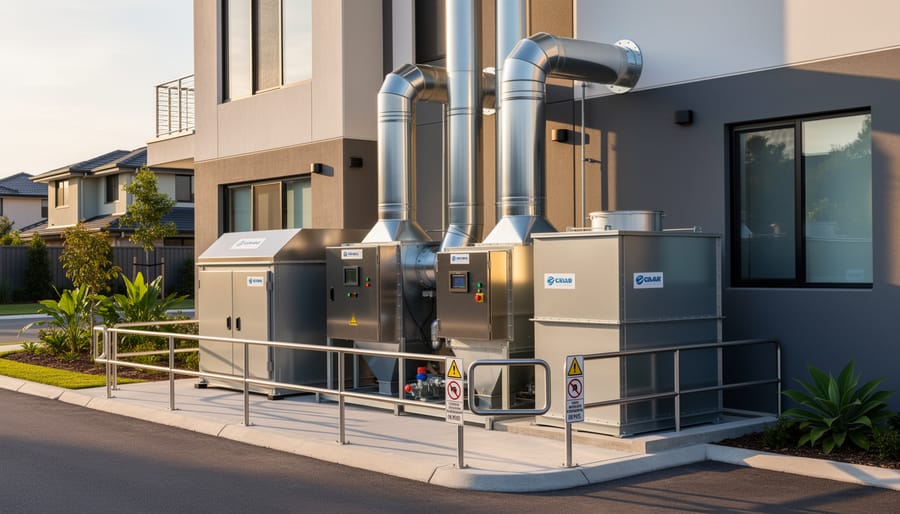
Advanced odour-control technologies include biofilters that use natural media to neutralize gases, sealed vent systems with activated carbon filters, and aerobic treatment units that reduce the anaerobic decomposition responsible for hydrogen sulfide production. While specialized, these systems can be tailored to eliminate the specific chemical triggers most problematic for chemically sensitive individuals, making previously uninhabitable properties accessible to MCS sufferers.
Real Stories: MCS and Septic System Challenges
Sarah’s situation demonstrated how proper disclosure and remediation can transform an impossible purchase into a success. After falling in love with a countryside cottage in Devon, she noticed a faint but distinctive septic odour during her second viewing. As someone with MCS, she recognised the warning signs immediately, the metallic taste at the back of her throat and the beginning of a headache.
Rather than walking away, Sarah hired a specialist septic surveyor who discovered the tank’s ventilation pipe had partially collapsed. She presented the seller with the inspection report and requested repairs before completion. The seller agreed, installing a new vent pipe system with activated carbon filters. Three months after moving in, Sarah reports no odour issues and credits her decision to push for proper investigation rather than assuming all septic systems would be problematic.
Michael’s experience was less straightforward. He made an offer on a rural property in Wales without fully understanding the septic system’s condition. Within days of moving in, hydrogen sulfide odours triggered severe respiratory reactions. Testing revealed the tank hadn’t been emptied in over five years and was discharging untreated effluent into the drainage field.
Michael pursued legal action for non-disclosure and eventually secured compensation that covered conversion to mains sewerage, which had recently been extended to his road. His advice to other MCS sufferers: “Never assume rural properties are automatically unsuitable, but never skip the septic inspection either. Get everything in writing about maintenance history.”
These cases show the range of outcomes possible. With thorough inspections, clear communication about MCS needs, and willingness from sellers to address genuine problems, septic systems needn’t be dealbreakers. However, due diligence remains essential, the stakes are too high for chemically sensitive buyers to rely on assumptions.
Navigating a property sale when septic tank odours intersect with Multiple Chemical Sensitivity doesn’t have to derail your plans. Whether you’re a buyer seeking a safe home or a seller facing unexpected challenges, understanding your legal position and the practical solutions available puts you in control.
The key takeaway is this: UK septic tank regulations exist to protect both the environment and human health, and these protections extend to individuals with MCS. Sellers have clear disclosure obligations around system condition and odour issues, while buyers with chemical sensitivities have legitimate grounds to request inspections, negotiate remediation, or walk away if their health concerns aren’t addressed. Neither party should feel powerless in these transactions.
What matters most is communication. Be upfront about MCS needs from the start. Work with professionals who understand both the technical aspects of septic systems and the genuine health impacts of chemical exposures. Document everything, from symptoms during viewings to the results of specialist inspections.
Remember that most septic odour problems have solutions. Proper maintenance, system upgrades, and modern odour-control technologies can make a significant difference. In some cases, connection to mains sewerage provides the permanent answer. These fixes protect property values while safeguarding health.
If you’re facing these challenges, you’re not alone. Organizations like Environmental Health Canada offer MCS resources and advocacy support. Seek out solicitors experienced in environmental health issues, and don’t hesitate to involve environmental health officers when regulations aren’t being followed. Your health matters, and the law recognizes that. With the right knowledge and support, you can find a property solution that works for everyone involved.