Showing 5 Result(s)
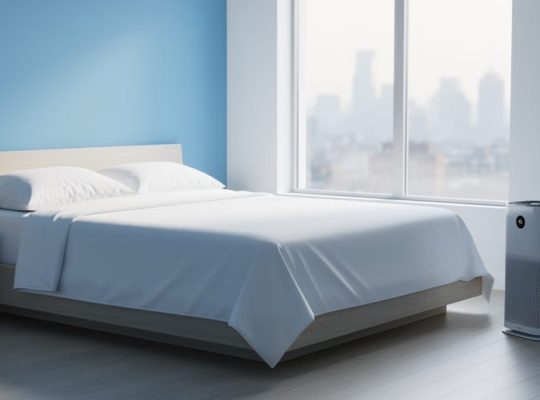
Minimalist bedroom with white encased bedding and a HEPA air purifier next to a low bed, lit by soft morning light; a blurred window reveals a hazy urban skyline, conveying a clean, fragrance-free sanctuary for managing Multiple Chemical Sensitivity.

Living with MCS: Treatments That Work When Pollution Surrounds You

Create a clean, fragrance-free bedroom sanctuary by removing all scented products, using barrier cloth on mattresses and pillows, and installing a HEPA air purifier to reduce chemical exposures during sleep. This single step can provide eight hours of daily relief and serves as your foundation for managing Multiple Chemical Sensitivity.
Identify and eliminate your primary chemical triggers by keeping a detailed symptom diary for two weeks, noting reactions to cleaning products, personal care items, building materials, and outdoor pollutants. Most people with MCS react to between five and fifteen specific substances, and knowing …

What We Need to Deal with Multiple Chemical Sensitivities in Quebec

The well-being of individuals with environmental sensitivities is intricately linked to the health of various environments they encounter daily. To foster a society that recognizes and supports those suffering from such conditions, comprehensive awareness and understanding are crucial.
Below are key recommendations aimed at achieving this goal:
Official Recognition of Environmental Sensitivities
It’s imperative for medical conditions like Multiple Chemical Sensitivities (MCS) to be officially recognized as physical ailments.
This recognition should extend to acknowledging these conditions as disabilities…

Useful Resources for Information on Multiple Chemical Sensitivities (MCS)

Multiple Chemical Sensitivities (MCS) is a complex condition that can significantly impact an individual’s life, making everyday environments challenging to navigate. It is characterized by adverse health effects from exposure to low levels of chemicals found in everyday products and environments, such as cleaning supplies, perfumes, paints, and pollutants.
Understanding MCS and finding reliable resources can be a lifeline for those affected.
This resource page is dedicated to providing you with a comprehensive list of links and resources to help you understand MCS, manage symptoms, and connect with a supportive …

How to Diagnose and Treat Multiple Chemical Sensitivities

Multiple Chemical Sensitivities (MCS) involve adverse reactions to various environmental stimuli such as chemicals, foods, and biological agents, even at exposure levels deemed safe for the general population.
Those with MCS develop a heightened sensitivity to common substances in their surroundings, reacting to concentrations much lower than those typically considered harmless. Triggers for these sensitivity reactions include a wide array of everyday items, from fragranced personal care products and household cleaners to paints, petrochemicals, tobacco smoke, pesticides, and even certain foods and food additives.
Diagnosing…

What You Should Know About Multiple Chemical Sensitivities

Environmental sensitivities, also known as Multiple Chemical Sensitivities (MCS), encompass various adverse reactions to environmental stimuli like chemicals, foods, and biological agents, which are generally tolerated by the majority.
It’s a debilitating, chronic condition that affects multiple systems in the body and occurs in individuals of any age, often triggered by a significant one-time exposure or continuous low-level exposure to prevalent chemicals and products released into our surroundings.
Individuals with MCS become highly sensitive to everyday environmental substances and can even react to levels that are …