

VCU community engagement refers to the ways Virginia Commonwealth University works with people and organizations outside its campus, through service, research, outreach, and shared projects. If you’re searching this term, you may be exploring what that looks like, or wondering how a university could support a health community like ours. We haven’t found a verified partnership between VCU and the Multiple Chemical Sensitivity (MCS) community, so we won’t suggest one exists.
What we can do is explain the idea clearly. University engagement works best when it listens first. Researchers, students, and staff learn directly from people living with a condition, then build programs, studies, or resources around real needs. For people with MCS, that could mean fragrance-free events, accessible communication, or research that takes lived experience seriously.
This article covers what community engagement means in practice, how it applies to MCS, and what you can do right now, including checklists and answers to common questions. Workplace accommodation rules vary by province and territory, so we’ll point you to the right jurisdiction-specific sources.
What University Community Engagement Actually Means

When people search for “vcu community engagement,” they are usually asking how a university connects with the people and organizations around it. At a school like Virginia Commonwealth University (VCU), that work can take many forms, from partnerships with local groups to classes that put students into real community settings.
Here are the terms you will see most often, in plain language:
- Community engagement
- Two-way collaboration between a university and the people, groups, or organizations outside its campus, where both sides share knowledge and benefit.
- Service-learning
- A teaching approach that combines course learning with hands-on community work, so students apply what they study to a real need.
- Community-based research
- Research designed with community members rather than only about them, so the questions and findings reflect real-life experience.
- Public outreach
- Events, talks, workshops, and programs that share university knowledge with the wider public.
Partnerships tie these together. A university might work with a clinic, a nonprofit, or a neighborhood group, and each partner brings something different to the table.
It’s important to be clear about what this article does and does not say. VCU describes its own programs on its official website, and that is the best place to find current, accurate details about what it offers. This article does not claim that any VCU program focuses on Multiple Chemical Sensitivity (MCS). Instead, we use university engagement as a general lens, to think about how institutions and communities can work together well. If you want specifics about a particular VCU initiative, please check VCU’s own pages or contact the university directly.
Why MCS Community Engagement Matters
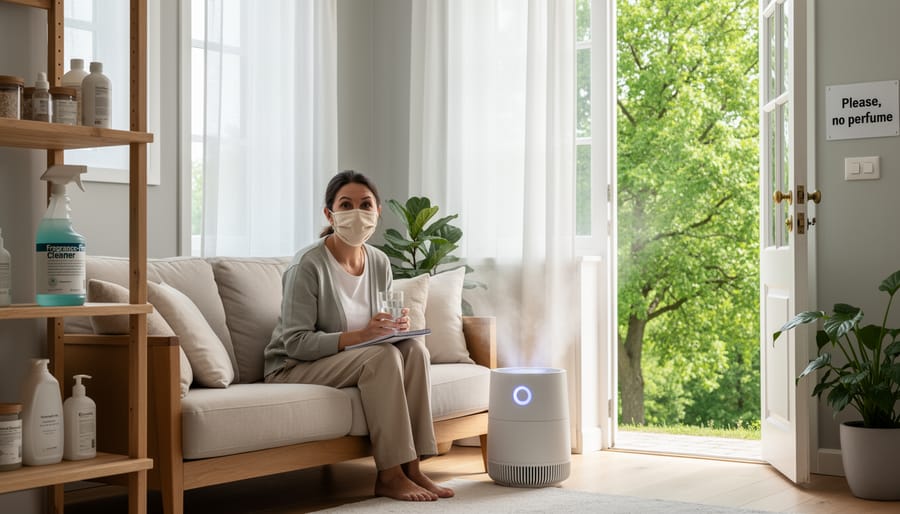
Multiple Chemical Sensitivity (MCS) describes a pattern where people report symptoms after exposure to everyday chemicals, such as fragrances, cleaning products, paints, or smoke. Reported symptoms can include headaches, fatigue, trouble concentrating, and breathing discomfort. Understanding of the condition is still developing, and experiences vary widely from person to person. You can read an overview of MCS symptoms triggered by chemicals to see how the condition is commonly described. What matters most is treating each person’s account of their own experience with respect.
This is where community involvement makes a real difference. Many people living with MCS describe feeling isolated, because ordinary places like offices, clinics, and shared events can be hard to enter. Awareness among professionals is often limited, so someone may struggle to find a health provider who takes their concerns seriously. Workplaces, healthcare settings, and public spaces can each present barriers that others rarely notice, and those barriers can quietly shut people out of daily life.
Community engagement helps close that gap. When organizations, health professionals, and people with lived experience talk to one another, awareness grows and practical changes become easier to imagine. Families and caregivers also benefit from knowing they are not facing this alone. If you are looking for MCS treatment support it is worth remembering that approaches differ, and a conversation with a qualified health professional is the best place to start.
What Good Engagement Can Look Like for the MCS Community
Making Events and Spaces More Accessible
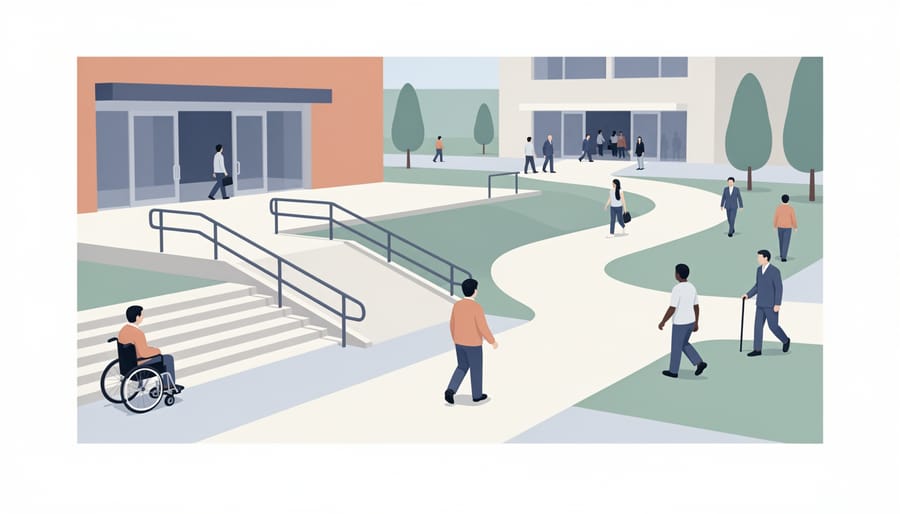
Accessibility often starts with small, practical choices that make a space safer for people with MCS. Advocates commonly suggest fragrance-free policies for attendees and staff, along with unscented cleaning products used well before an event. Good ventilation matters too, so choosing well-aired rooms, or holding sessions outdoors when possible, can reduce exposure to fumes from new paint, carpets, or air fresheners.
Virtual attendance options are another widely recommended accommodation, letting people take part without worrying about symptoms. Just as important is telling people ahead of time what measures are in place. A short note on the registration page about fragrance guidelines, room details, and online options helps attendees plan with confidence. Many organizations also use awareness months to share these ideas more widely. Needs vary from person to person, so asking attendees what they require is always worthwhile.
Including Lived Experience in Research and Education
People with MCS know their own triggers, routines, and limits better than anyone. That’s why involving them in planning and learning tends to produce more respectful, useful results. When researchers, educators, or event organizers invite lived experience into the process early, they can spot problems before they become barriers, like a lecture hall that’s hard to enter or a survey that’s too long to finish during a symptom flare.
This is a general principle, not a claim about any one institution. In practice, it can mean asking people with MCS to review project plans, share feedback on accessibility, or speak to students about what everyday life is really like. Many community engagement teams build this kind of two-way listening into their work.
Fair compensation, flexible participation options, and clear communication matter too. They show that lived experience is valued, not just borrowed.
How Environmental Health Canada Supports People with MCS
If you live in Canada and are looking for direct, practical help with Multiple Chemical Sensitivity, Environmental Health Canada is a good place to start. Its mission centres on supporting people with MCS and their families through services that address everyday challenges, not just awareness-raising.
According to its stated mission, the organization works in several areas:
– Finding health professionals. Locating practitioners who understand MCS can be hard, and the organization helps people connect with them.
– Educational workshops. These aim to build understanding for individuals, families, caregivers, and professionals.
– Legal support. Resources are available for people facing legal questions related to their condition.
– Workplace support. This helps people explore how to raise their needs with employers.
– Public outreach and advocacy. The organization works to raise awareness and speak up for the MCS community.
I’d rather not guess at the details of each program, such as who qualifies, how long something takes, or what it costs, because these can change. The most reliable way to learn what is currently on offer is to visit the Environmental Health Canada website or contact the organization directly.
If you’re a family member, caregiver, or health professional, the same applies. Reaching out is a simple first step, and it connects you with people who understand the condition and the barriers that come with it. You don’t have to piece everything together on your own.
Workplace Accommodations: What to Know and Where to Get Advice
If you live with MCS and need changes at work, a calm, organized approach tends to go a long way. Start by writing down what triggers your symptoms at work (fragrance in shared spaces, cleaning products, new carpet or paint) and what helps. Keeping dates and brief notes gives you something concrete to point to later. If you have a health professional who understands your situation, ask whether they can provide a letter describing your needs.
Next, think about who to speak with first, usually a supervisor or the HR department. Many people find it easier to bring specific, low-cost suggestions rather than a long list of demands. Examples might include a fragrance-free request for your immediate area, a desk closer to a window or fresh air, advance notice before cleaning or renovations, or the option to work from home on high-exposure days. Putting your request in writing and keeping a copy helps both sides stay clear about what was discussed.
It also helps to read about workplace accommodations in a related health context, since many of the steps for starting the conversation and documenting needs are similar, even though that article focuses on a different condition.
Please keep in mind that accommodation rights and employer obligations vary by province, territory, and individual situation. This is general information, not legal advice, and it does not mean any employer is required to provide a particular change. For guidance about your circumstances, speak with a qualified legal professional or explore the legal support resources offered through Environmental Health Canada.
Questions to Ask Before Joining or Supporting a Community Partnership
Not every initiative that says it supports people with MCS is built well. Before you join, share, or donate, it helps to look closely at who is behind it and how it works. This is true whether the project comes from a university, a charity, or a community group. Use this checklist as a starting point:
- Find out who designed the initiative and who runs it. Look for named people or teams, not just a general mission statement.
- Ask whether people living with MCS helped plan it, or whether they were only invited to attend afterward.
- Check how accessibility is handled. Look for fragrance-free policies, ventilation information, and virtual options, and ask how these are communicated in advance.
- Look at where any health claims come from. Credible sources such as peer-reviewed research or recognized health bodies matter. Be cautious about promises of cures or sweeping guarantees, since understanding of MCS is still developing.
- Confirm the details on the organization’s official website, and contact them directly if something is unclear. Don’t rely only on social media posts or secondhand summaries.
- Ask how feedback is collected and how the organization responds when something doesn’t work for participants.
Families, caregivers, and health professionals can play a valuable role, too. Start by listening to the people most affected, and ask what kind of help they actually want. Offer your time, skills, or voice in ways that support their goals instead of speaking for them. Health professionals can share evidence-based information and point people toward trusted resources. If an initiative can’t answer these basic questions, that is useful information in itself.
Frequently Asked Questions
Does VCU have an MCS-specific program?
This article does not claim that Virginia Commonwealth University runs a program focused on Multiple Chemical Sensitivity. For current, accurate details about its community engagement work, please check VCU’s official website.
What is community engagement?
At a university, it usually means partnerships, service-learning, community-based research, public events, and outreach that connect students and staff with the wider community.
How can I find MCS support in Canada?
Environmental Health Canada offers help finding health professionals, educational workshops, legal support, workplace support, and advocacy. Visit its website or contact the team for current details.
How can I raise awareness respectfully?
Listen to people living with MCS first, use language that avoids judgment, share only information from credible sources, and invite lived experience into any event or project you plan.
Where can I find legal or workplace guidance?
Accommodation rights vary by province, territory, and situation, and this is general information, not legal advice. Consider speaking with a qualified legal professional or reaching out to Environmental Health Canada’s legal support resources.
Meaningful MCS community engagement starts with listening. When people living with MCS help shape events, research, and programs, the results are more respectful and more useful for everyone involved. Accessible spaces matter too, from fragrance-aware planning to virtual options, and so does checking that any partnership you’re asked to trust is what it claims to be.
If you live with MCS, you are not alone. Families, caregivers, health professionals, and advocates across Canada are working toward better understanding and better access. If you’re in Canada and need practical help, such as finding health professionals, workshops, or workplace and legal guidance, consider reaching out to Environmental Health Canada.
And please share your own experiences and questions with the community. Your voice helps others feel seen, and it moves everyone closer to spaces where people with MCS can take part fully and safely.