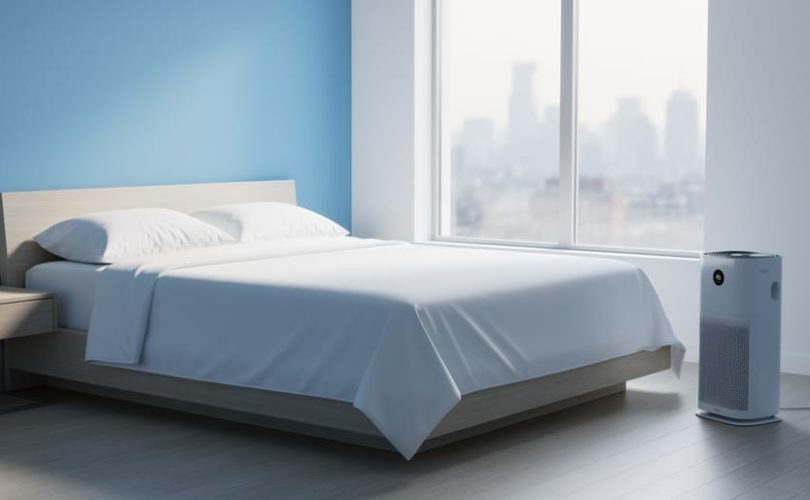
Create a clean, fragrance-free bedroom sanctuary by removing all scented products, using barrier cloth on mattresses and pillows, and installing a HEPA air purifier to reduce chemical exposures during sleep. This single step can provide eight hours of daily relief and serves as your foundation for managing Multiple Chemical Sensitivity.
Identify and eliminate your primary chemical triggers by keeping a detailed symptom diary for two weeks, noting reactions to cleaning products, personal care items, building materials, and outdoor pollutants. Most people with MCS react to between five and fifteen specific substances, and knowing yours transforms random suffering into manageable patterns.
Work with healthcare providers experienced in environmental medicine who understand that MCS treatment requires both symptom management and exposure reduction. Request testing for nutrient deficiencies, particularly vitamin D, B vitamins, and magnesium, which commonly affect people with MCS and respond well to supplementation. Ask about mast cell stabilizers and low-dose naltrexone, which have helped many individuals reduce their reactivity to chemical exposures.
Establish chemical-free zones in your home by switching to fragrance-free, plant-based cleaning products, removing air fresheners and scented candles, and asking household members to use unscented personal care products. This creates predictable safe spaces where your nervous system can recover from unavoidable external exposures.
Living with Multiple Chemical Sensitivity means recognizing that treatment extends beyond medical appointments into every aspect of your environment. While the condition presents real challenges, thousands of Canadians have found paths to stability through systematic exposure reduction, targeted medical support, and practical accommodation strategies that honor both the physical reality of their symptoms and their right to participate fully in daily life.
Understanding Multiple Chemical Sensitivity
Common Triggers and Symptoms
Multiple Chemical Sensitivity can be triggered by a wide range of everyday substances that most people tolerate without issue. Understanding your specific triggers is an essential first step toward managing your symptoms and creating a safer environment.
Common chemical triggers include fragrances found in perfumes, colognes, scented candles, and air fresheners. Many people with MCS report immediate reactions to these products, even in small amounts. Cleaning products containing ammonia, bleach, or synthetic fragrances also frequently cause problems. Pesticides and herbicides, whether used indoors or outdoors, are significant triggers for many individuals.
Vehicle emissions, including diesel fumes and gasoline vapors, often provoke symptoms when walking near traffic or in parking areas. Fresh paint, new carpeting, and building materials that off-gas volatile organic compounds can make indoor spaces unbearable. Other triggers include tobacco smoke, adhesives, dry-cleaned clothing, and even some personal care products like shampoos and lotions.
Symptoms vary widely among individuals but typically affect multiple body systems. Respiratory symptoms include difficulty breathing, wheezing, and throat irritation. Neurological reactions may involve headaches, difficulty concentrating, memory problems, and dizziness. Many experience skin irritation, rashes, or burning sensations. Fatigue, nausea, and muscle aches are also common.
Sarah, a teacher from Ontario, shares: “I never connected my chronic headaches to the air fresheners in my classroom until my doctor suggested tracking my symptoms. Once I identified my triggers, I could finally advocate for changes.”
Recognizing your personal trigger pattern helps you take meaningful steps toward treatment and environmental management.
Core Treatment Approaches for MCS
Chemical Avoidance: Your First Line of Defense
For people living with MCS, avoiding chemical triggers isn’t just helpful—it’s essential for managing symptoms and maintaining quality of life. Think of chemical avoidance as building a protective shield around yourself, starting with the spaces where you spend most of your time.
Creating a safe home environment begins with identifying what’s triggering your reactions. Start by conducting a thorough home chemical audit:
- Walk through each room and list all products that contain fragrances, solvents, or strong odors—cleaning supplies, air fresheners, personal care items, and laundry products.
- Check for hidden sources like scented candles, potpourri, fabric softeners in closets, and fragranced trash bags.
- Examine building materials and furniture that might off-gas chemicals, particularly anything new or recently installed.
- Test your tolerance by removing one category of products at a time and tracking your symptoms in a journal.
- Replace problematic items with fragrance-free, natural alternatives as you identify triggers.
Once you’ve identified triggers, focus on creating designated safe zones. Your bedroom should be your sanctuary—use organic bedding, install an air purifier with HEPA and activated carbon filters, and keep all scented products out. Consider using low-VOC paint if redecorating and choose solid wood or metal furniture instead of particleboard.
At work, communicate your needs clearly with supervisors and human resources. Request a workspace away from photocopiers, printers, and high-traffic areas. Ask colleagues to refrain from wearing fragrances near your workspace, and if possible, bring your own air purifier. Many Canadian workplaces are required to provide reasonable accommodations under human rights legislation.
Remember Sarah’s story: after systematically removing fragranced products and creating a chemical-free bedroom, her debilitating headaches decreased by 70% within three months, allowing her to return to part-time work.
Medical Interventions and Supportive Therapies
Managing Multiple Chemical Sensitivity often requires a personalized combination of medical interventions and supportive therapies. While there is no single cure for MCS, many individuals find relief through carefully selected treatments administered under the guidance of healthcare providers familiar with environmental sensitivities.
Nutritional supplements can play a supportive role in MCS management. Some people benefit from antioxidants like vitamin C, vitamin E, and glutathione, which may help the body process chemical exposures. Magnesium, B-complex vitamins, and omega-3 fatty acids are also commonly recommended to support overall health and reduce inflammation. However, it’s essential to choose supplements carefully, as many contain fillers, binders, or coatings that can trigger reactions in sensitive individuals.
Certain medications may help manage specific symptoms. Antihistamines can reduce allergic-type reactions, while low-dose medications for mast cell activation may benefit some people. Always start with the lowest possible dose and choose formulations without unnecessary additives, dyes, or fragrances.
Intravenous (IV) therapy, including vitamin C infusions or Myers’ cocktails, has provided relief for some individuals with MCS. These treatments deliver nutrients directly into the bloodstream, bypassing potential digestive sensitivities.
Complementary approaches can offer additional support. Acupuncture may help reduce symptoms and support the body’s natural healing processes. Gentle massage therapy, when performed in a fragrance-free environment by a practitioner who understands chemical sensitivities, can ease muscle tension and promote relaxation. Some individuals also benefit from craniosacral therapy or other gentle bodywork techniques.
The key to successful treatment is working with healthcare providers who understand MCS and respect your sensitivities. Keep detailed records of what helps and what triggers reactions, and communicate openly with your medical team about your experiences. Everyone’s response to treatment differs, so patience and persistence are essential as you discover what works best for you.

Nutritional Support and Detoxification
Many people with MCS find that supporting their body’s natural detoxification processes through nutrition can help reduce symptom severity. Your liver, kidneys, and digestive system work constantly to process and eliminate chemicals, and providing them with proper nutritional support may improve your tolerance levels.
A diet rich in organic whole foods forms the foundation of nutritional support for MCS. Organic produce reduces your exposure to pesticides and herbicides, which is particularly important when your system is already overwhelmed. Focus on vegetables from the cruciferous family like broccoli, cauliflower, and Brussels sprouts, which contain compounds that support liver detoxification pathways. Leafy greens, berries, and sulfur-rich foods like garlic and onions also help your body process toxins more efficiently.
Clean protein sources are essential for producing the enzymes and compounds needed for detoxification. Choose grass-fed meats, wild-caught fish low in mercury, and organic eggs when possible. Stay well-hydrated with filtered water to help your kidneys flush out processed chemicals.
Many MCS patients work with healthcare providers knowledgeable about environmental illness to incorporate specific supplements. Commonly used options include vitamin C, which supports immune function and detoxification; magnesium for cellular health; and activated charcoal for binding certain toxins. Milk thistle and glutathione are also frequently recommended for liver support.
Sarah, a graphic designer with MCS, noticed significant improvement after three months of following an organic, anti-inflammatory diet and working with a naturopathic doctor on a personalized supplement plan. She reports fewer reactions and better overall energy levels, though she emphasizes that dietary changes work best alongside trigger avoidance.
Always consult with a healthcare provider before starting new supplements, as individual needs vary considerably.
Managing Pollution in Your Environment

Creating a Safe Indoor Environment
Creating a safe indoor environment is one of the most important steps in managing Multiple Chemical Sensitivity. Your home should be a sanctuary where you can breathe easily and recover from unavoidable exposures elsewhere. With careful planning and consistent practices, you can significantly reduce chemical triggers and improve your quality of life.
Start with air purification, which forms the foundation of a safe indoor space. Understanding your options helps you choose the right system for your needs.
| Air Purifier Type | Best For | Advantages | Limitations |
|---|---|---|---|
| HEPA Filter | Particles, dust, pollen | Removes 99.97% of particles; no chemicals added | Does not remove gases or odors |
| Activated Carbon | Chemical odors, VOCs | Absorbs gases and chemical vapors effectively | Requires frequent replacement; limited particle removal |
| Photocatalytic | Breaking down chemicals | Destroys pollutants rather than trapping them | May produce trace ozone; effectiveness varies |
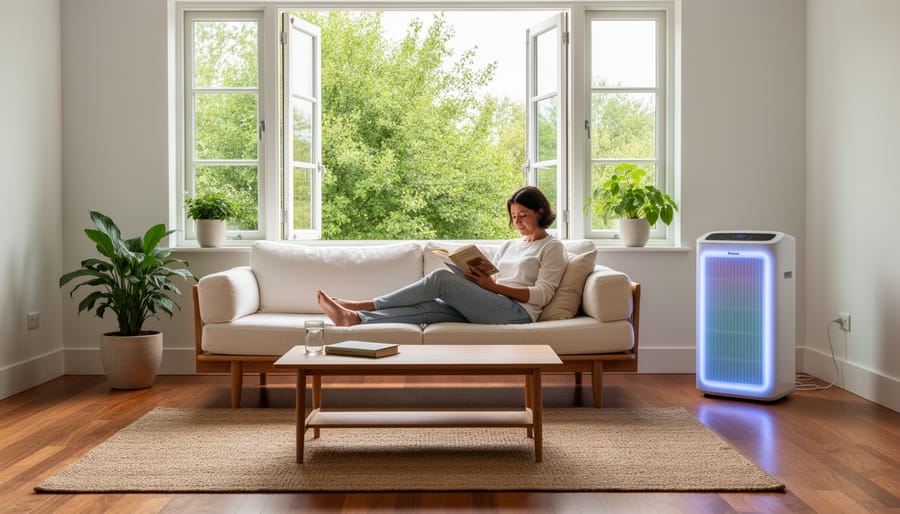
Many people with MCS find that combining HEPA and activated carbon filters provides the best results. Place purifiers in bedrooms and main living areas, and remember to replace filters regularly according to manufacturer guidelines.
Select low-VOC or VOC-free materials for everything in your home. Choose solid wood furniture over particle board, which releases formaldehyde. When painting becomes necessary, opt for zero-VOC paints and allow several weeks for off-gassing before occupying the space. Natural flooring options like untreated hardwood, ceramic tile, or natural linoleum work better than synthetic carpeting.
Control humidity levels between 30-50% to prevent mold growth without creating overly dry conditions. Use a dehumidifier in damp areas and ensure proper ventilation in bathrooms and kitchens.
Adopt chemical-free cleaning routines using simple ingredients like baking soda, white vinegar, and hot water. These gentle alternatives clean effectively without introducing harmful chemicals. Avoid all fragranced products, including air fresheners, scented candles, and perfumed laundry detergents.
Consider creating a transition space near entryways where family members can remove shoes and outer clothing that may carry chemicals from outside environments. This simple practice helps keep your safe space truly protected.

Navigating Outdoor Air Quality
Managing outdoor air quality is essential for protecting yourself from chemical triggers when living with MCS. Start by checking daily air quality reports through Environment Canada’s Air Quality Health Index or local weather apps before planning outdoor activities. These tools provide real-time information about pollution levels, helping you decide when it’s safest to venture outside.
Timing matters significantly. Plan outdoor errands and activities during early morning hours when traffic emissions are lower and before temperatures rise, which can intensify chemical vapors. Avoid peak traffic times, typically between 7-9 AM and 4-6 PM on weekdays, when vehicle exhaust concentrations are highest.
High-quality masks can provide crucial protection during necessary outdoor activities. Look for activated carbon masks specifically designed for chemical sensitivities rather than standard dust masks. While N95 masks filter particles effectively, they don’t block chemical vapors, so choose masks with multiple filtration layers designed for volatile organic compounds.
Strategic route planning reduces exposure to high-pollution areas. Map out walking or driving routes that avoid industrial zones, busy highways, gas stations, dry cleaners, and areas with heavy pesticide use like golf courses or agricultural fields. Consider using apps that track pollution hotspots in your community.
Sarah, a Toronto resident with severe MCS, successfully manages outdoor exposure by combining these strategies. She checks air quality each morning, wears her carbon mask during essential trips, and has identified three safe walking routes through residential areas away from main roads. This systematic approach has allowed her to maintain some outdoor activity while protecting her health.
Workplace and Public Space Accommodations
Living and working with MCS often requires environmental modifications to reduce chemical exposures. Understanding how to request and implement accommodations can significantly improve your quality of life and ability to participate in daily activities.
Under Canadian human rights legislation, individuals with MCS may be entitled to reasonable accommodations in workplaces and public spaces. The first step is documenting your condition through medical professionals who understand MCS. This documentation should clearly explain your sensitivities, triggers, and necessary accommodations.
When requesting workplace accommodations, communicate clearly with your employer or human resources department. Common reasonable accommodations include fragrance-free policies for your work area or the entire workplace, improved ventilation systems with HEPA filtration, permission to work from home during peak exposure times, designated parking near entrances to minimize outdoor exposure, and the ability to control lighting and temperature in your workspace.
Creating a fragrance-free policy requires awareness and advocacy. Educate colleagues about why scented products affect you, provide alternatives like unscented personal care products, and post clear signage reminding people of the policy. Many workplaces have successfully implemented these policies with positive results for everyone.
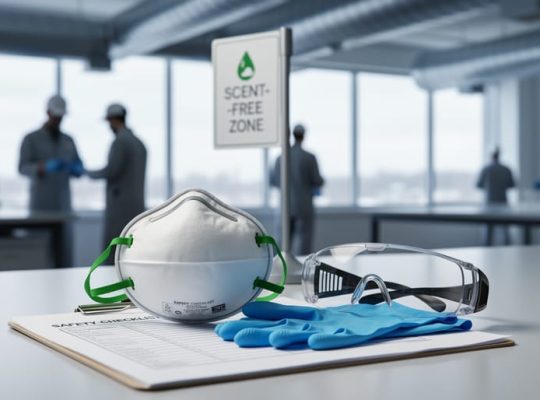
Sarah, an office administrator in Ontario, worked with her employer to establish a scent-free zone around her desk and install an air purifier at her workstation. Within weeks, her symptoms decreased, and she could work full days again. Her employer later extended the fragrance-free policy company-wide after seeing the benefits.
For public spaces, advance planning helps. Contact venues beforehand to discuss your needs, visit during off-peak hours when fewer chemicals are present, and identify quiet areas with better ventilation. Many libraries, community centers, and government buildings now offer designated low-chemical spaces.
Remember, accommodations benefit everyone by creating healthier environments for all.
Real Stories: Canadians Managing MCS Successfully
Living successfully with MCS requires patience, creativity, and often a combination of strategies tailored to individual circumstances. These real stories from Canadians demonstrate how different approaches can lead to meaningful improvements in quality of life.
Sarah, a 42-year-old teacher from Ontario, developed MCS after a workplace mold exposure. Her journey to stability involved both medical treatment and significant lifestyle changes. Working with a clinical ecologist, she identified her primary triggers through elimination testing and began nutritional supplementation to support her immune system. Sarah negotiated workplace accommodations that included a fragrance-free policy in her classroom and permission to use a personal air purifier. She gradually rebuilt her tolerance by carefully managing her chemical exposures at home, switching to unscented personal care products, and using only natural cleaning supplies. Today, three years later, Sarah continues teaching full-time and has expanded her safe activities to include attending outdoor community events. Her key advice to others: “Start with one small change at a time. I created a completely safe bedroom first, which gave me a sanctuary to recover in each night. From that foundation, I could tackle other areas of my life without becoming overwhelmed.”
Michael, a 58-year-old construction worker from British Columbia, took a different path after chemical exposures on job sites left him unable to work in his field. Unable to afford specialized medical care, he focused primarily on environmental control and peer support. He relocated to a rural area with cleaner air quality and built a small, chemically safe living space using low-VOC materials. Michael connected with local MCS support groups and learned practical strategies from others managing the condition. He found part-time remote work that allowed him to control his environment completely. While his sensitivity remains significant, Michael has created a stable life. “I had to accept my limitations and build around them,” he shares. “Community support taught me I wasn’t alone, and that knowledge itself was healing.”
Both individuals emphasize that progress isn’t always linear. They experienced setbacks and had to adjust their strategies over time. However, by staying committed to avoiding triggers and building supportive environments, they found ways to reclaim meaningful aspects of their lives. Their experiences illustrate that while MCS presents significant challenges, it’s possible to develop effective management strategies that allow for improved function and hope for the future.
Finding Professional Support in Canada
Finding qualified healthcare providers who understand Multiple Chemical Sensitivity can be challenging, but several resources exist across Canada to help you connect with knowledgeable professionals.
Start by consulting the Canadian Society of Environmental Medicine, which maintains a directory of physicians trained in environmental health. These specialists recognize MCS as a legitimate condition and can provide appropriate testing, diagnosis, and treatment guidance. Many provinces also have environmental health clinics within their public health systems that offer assessments and support.
Environmental Health Clinic at Women’s College Hospital in Toronto has been a pioneer in treating MCS patients, offering comprehensive evaluations and personalized management plans. Similar specialized clinics operate in Vancouver, Calgary, and Halifax. Contact your provincial health authority to inquire about environmental medicine services in your region.
The Canadian Human Rights Commission provides information about workplace accommodations and disability rights for people with MCS, which can be essential when advocating for your needs. Provincial disability support programs may also offer financial assistance and case management services.
Online support groups and patient advocacy organizations like the Environmental Health Association of Canada connect you with others who understand your experience. These communities share practical advice, recommend MCS-aware practitioners, and provide emotional support during difficult times.
Sarah, a teacher from Ottawa, found her current physician through a local MCS support group after years of dismissive medical encounters. With proper support, she successfully negotiated fragrance-free workplace accommodations and now manages her symptoms effectively through combined medical care and community connection.
Remember that education and awareness within the medical community continues to grow, making it increasingly easier to find professionals who will listen and help you develop an effective treatment plan.
Your Rights and Legal Protections
Living with MCS can be challenging, but you have important legal protections in Canada that safeguard your rights and help you access the accommodations you need.
Under the Canadian Human Rights Act and provincial human rights codes, MCS is recognized as a disability when it substantially limits major life activities. This means you’re entitled to reasonable accommodations in workplaces, housing, schools, and public spaces. Employers must work with you to create scent-free environments or allow remote work arrangements when possible. Landlords cannot discriminate against you for requesting fragrance-free building policies. Educational institutions must provide accessible learning environments.
Provincial disability programs may offer financial support, assistive devices, and home modifications to help manage your condition. Many people with MCS have successfully advocated for workplace accommodations, accessible healthcare facilities, and community awareness initiatives that respect their needs.
Consider seeking legal support if you face discrimination or denied accommodations. Disability rights organizations and human rights lawyers can guide you through complaint processes and advocate on your behalf. Document all accommodation requests and any adverse reactions to chemical exposures, as this evidence strengthens your case.
Success stories abound. Sarah, a teacher in Ontario, secured a scent-free classroom policy after working with her union and school board. Michael in British Columbia obtained remote work arrangements through his provincial human rights tribunal. These victories demonstrate that your rights matter and change is possible.
You deserve to live, work, and participate fully in your community. Don’t hesitate to assert your rights and seek support when needed.
Living with MCS presents real challenges, but you’re not without options. By combining appropriate medical treatments with thoughtful environmental management, many people with MCS find meaningful relief and reclaim parts of their lives they thought were lost. The key is recognizing that progress doesn’t happen overnight, and that’s okay.
Start small. You don’t need to overhaul your entire life at once. Choose one manageable change this week—perhaps switching to a fragrance-free laundry detergent or creating one low-chemical zone in your home. These small victories build momentum and confidence. As Sarah from Toronto discovered in her journey, even modest adjustments can bring noticeable improvements in symptoms and quality of life.
Remember that setbacks are part of the process, not signs of failure. Some days will be harder than others, and that’s a normal part of managing a chronic condition. What matters is having a support system and reliable information to guide you forward.
Environmental Health Canada offers comprehensive resources specifically designed for the MCS community. Our support network connects you with others who truly understand what you’re experiencing, provides access to knowledgeable healthcare professionals, and offers practical guidance for navigating daily challenges. We’re also committed to raising awareness about MCS to create a more accessible world for everyone affected by chemical sensitivities.
You deserve support, understanding, and hope. Reach out today and take that first step toward better management of your MCS.